
The Heavy Duty Towing Services Guide Every Driver Should Read
Heavy duty towing services are essential when large vehicles, commercial trucks, buses, RVs, or equipment cannot be moved safely with a standard tow truck. Breakdowns, accidents, mechanical failures, and roadside emergencies can create serious delays, especially when oversized vehicles are involved. Understanding what to expect from the towing process helps drivers stay calm, protect their vehicles, and make informed decisions during stressful situations.
Understanding Heavy Duty Towing
Heavy duty towing is designed for vehicles that exceed the size and weight limits of light or medium towing. These jobs often involve tractor-trailers, box trucks, motorhomes, buses, construction equipment, and other large vehicles. Unlike basic towing, heavy duty towing services require specialized trucks, reinforced frames, powerful winches, heavy chains, air brake support, and trained operators who understand weight distribution and recovery techniques.
The main difference between heavy duty towing and smaller-scale towing is the level of equipment and planning required. Large vehicles must be secured carefully to prevent shifting, damage, or unsafe movement during transport. Operators must also evaluate road conditions, vehicle position, traffic, and destination access before beginning the recovery.
When Heavy Duty Towing Is Needed
Drivers may need heavy duty towing services after engine failure, brake issues, tire blowouts, rollovers, jackknife accidents, or off-road incidents. Large vehicles can also become stuck in mud, snow, construction sites, loading areas, or narrow roads where standard tow trucks cannot operate safely. In these situations, the right towing response can help clear the scene efficiently while reducing risk to other drivers.
Heavy towing may also be needed for planned equipment transport. Businesses sometimes need machinery, trailers, or disabled fleet vehicles moved from one location to another. Whether the situation is urgent or scheduled, choosing the correct towing provider is important for protecting both the vehicle and surrounding property.
Equipment Used During Heavy Duty Towing
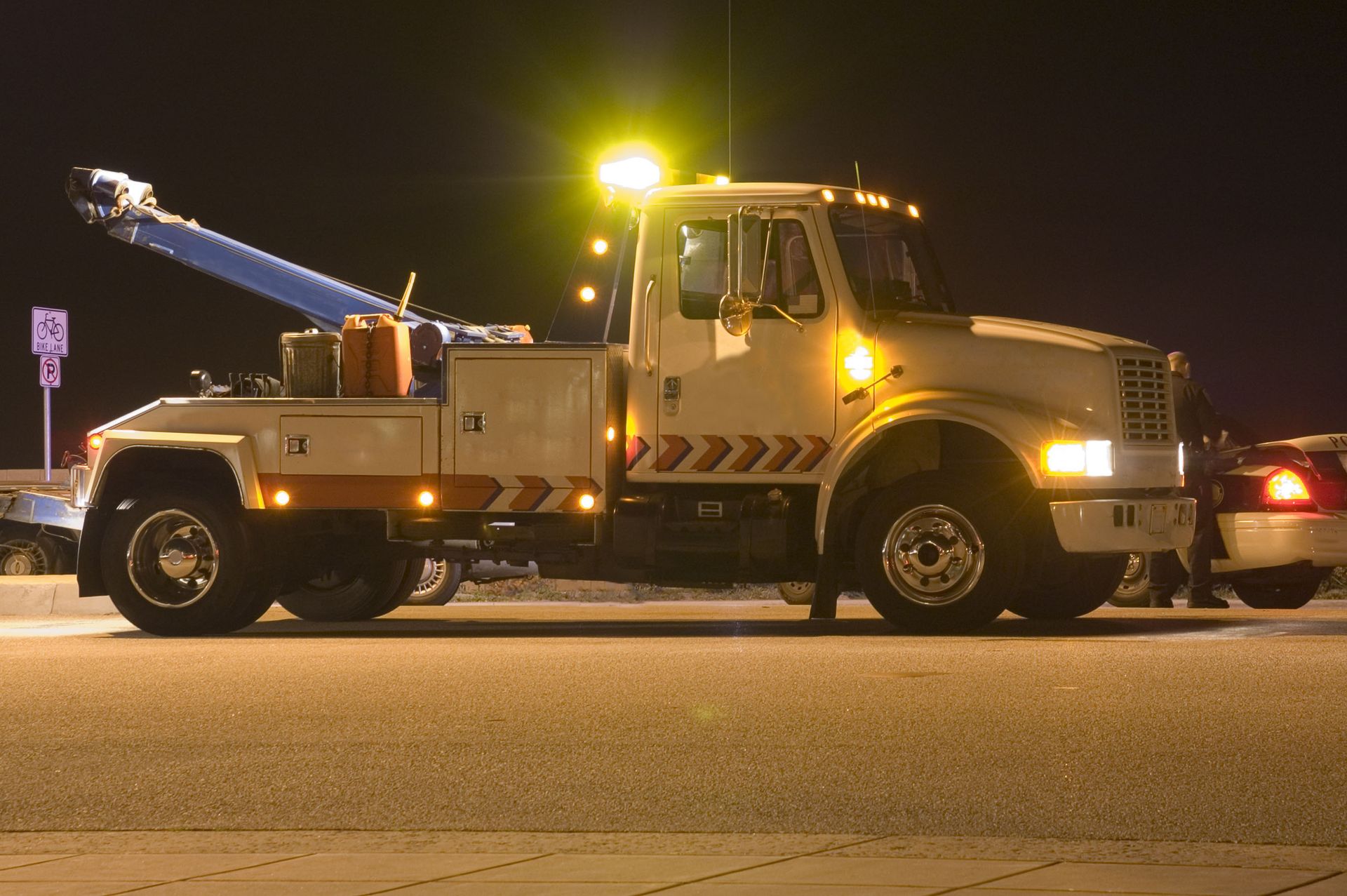
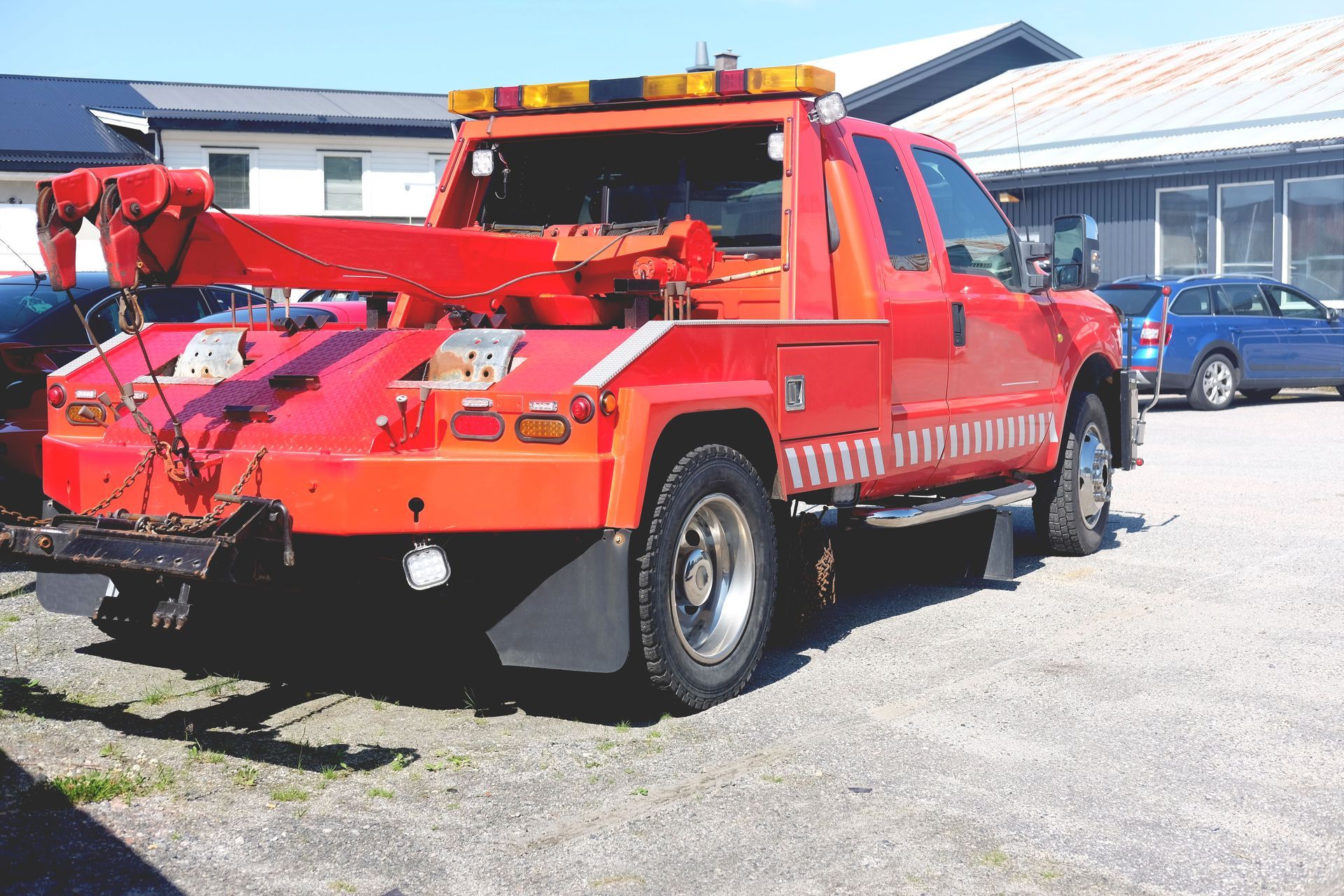
Professional heavy duty towing services rely on advanced equipment built for demanding recovery work. Heavy wreckers, rotators, underlift systems, winches, boom lifts, wheel lifts, chains, straps, and stabilizers may all be used depending on the job. Each tool serves a specific purpose, whether lifting a disabled truck, recovering a vehicle from a ditch, or transporting equipment over a long distance.
Operators must match the equipment to the vehicle’s weight, axle setup, and condition. Using improper equipment can create additional damage or safety concerns. This is why experienced towing companies perform an assessment before loading or moving any heavy vehicle.
Choosing the Right Towing Provider
Selecting the right company begins with experience. Drivers should look for providers that regularly handle commercial trucks, buses, RVs, and oversized vehicles. A company with proven experience in heavy duty towing services is more likely to have the right equipment, trained staff, and safe procedures for complicated jobs.
Availability is another important factor. Breakdowns rarely happen at convenient times, so 24/7 service can make a major difference. Drivers should also ask about response times, service areas, insurance coverage, certifications, and pricing. Clear communication before the tow begins helps prevent confusion and unexpected costs later.
Reading Reviews and Asking Questions
Customer reviews can reveal how a towing company handles emergencies, communicates with clients, and manages difficult recoveries. Look for comments about professionalism, punctuality, careful handling, and transparent billing. Consistent positive feedback is a strong sign that the provider takes service quality seriously.
Before hiring a company, ask whether they have handled similar vehicles or situations. It is also helpful to ask what equipment they plan to send, whether the vehicle will be insured during transport, and whether additional roadside support is available. These questions help drivers feel more confident before agreeing to heavy duty towing services.
Preparing for the Tow
Preparation begins with sharing accurate information. Drivers should provide the vehicle type, location, visible damage, mechanical concerns, cargo status, and destination. If possible, provide details about the vehicle’s weight, length, axle count, and load. This helps the towing company send the correct truck and avoid delays. According to World of Statistics, 75% of U.S. truck owners said they tow once a year or less, which means many owners only discover towing limits when they actually need help. Understanding your vehicle's weight ratings and towing requirements before an emergency can make the recovery process faster, safer, and more efficient.
Documentation is also useful. Take photos of the vehicle before towing, including existing damage, tire condition, trailer position, and surrounding area. These photos create a record in case questions arise after delivery. Keeping registration, insurance information, and vehicle manuals nearby can also speed up the process.
Safety While Waiting for Help
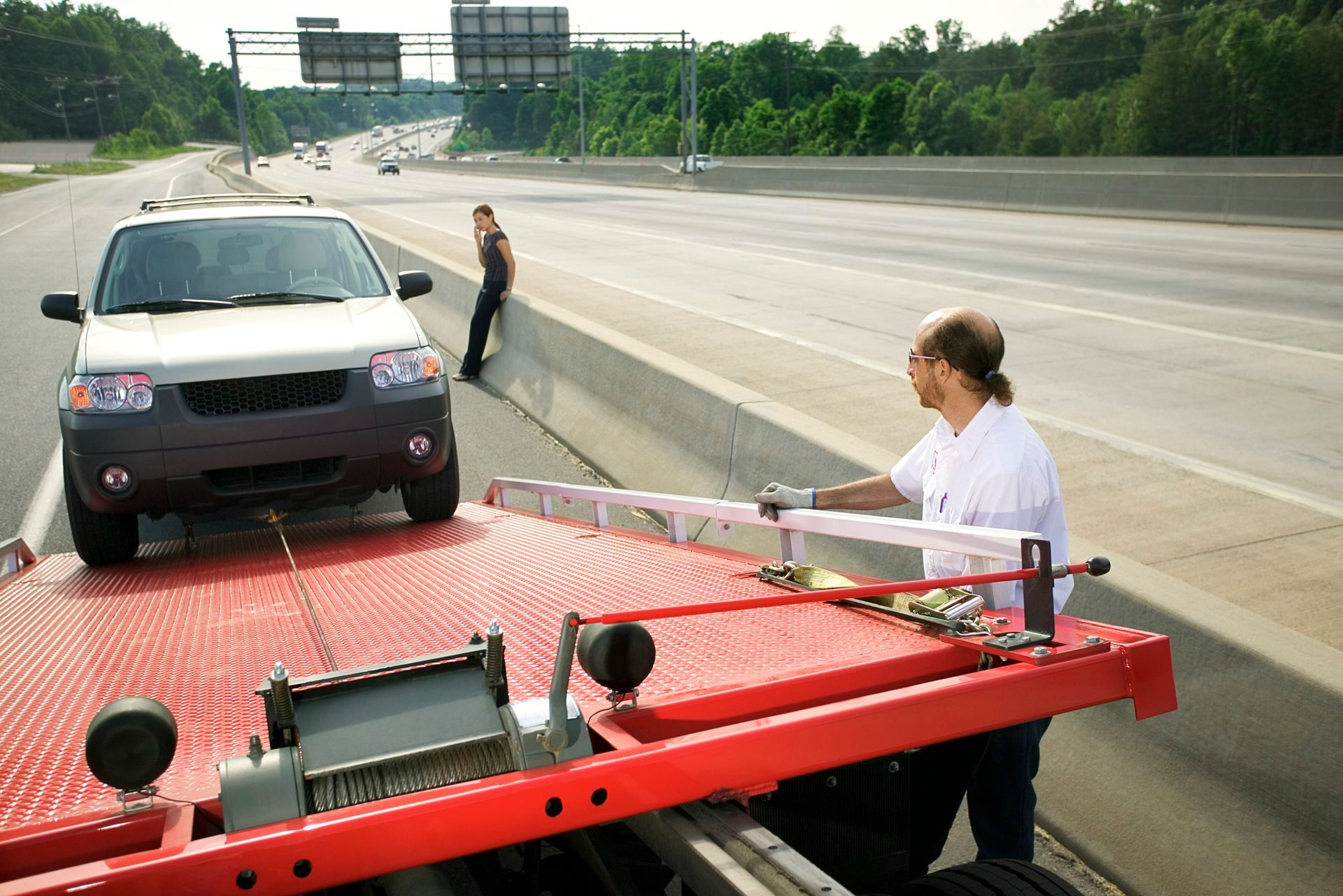
Safety should always come first during a roadside emergency. If the vehicle can be moved, position it away from traffic and turn on hazard lights. Use reflective triangles, cones, or flares when available. Drivers should avoid standing near moving traffic, especially on highways or poorly lit roads.
If the situation involves a crash, injury, fuel leak, blocked lane, or unsafe location, contact emergency services immediately. Heavy vehicles can create serious hazards, and professional coordination may be needed to protect everyone at the scene before towing services arrive.
What Happens During the Towing Process
Once the operator arrives, they will inspect the vehicle and determine the safest recovery method. This may involve checking the vehicle’s position, weight distribution, damage, tires, brakes, and surrounding terrain. The operator may also consider weather, road grade, traffic flow, and access limitations before beginning work.
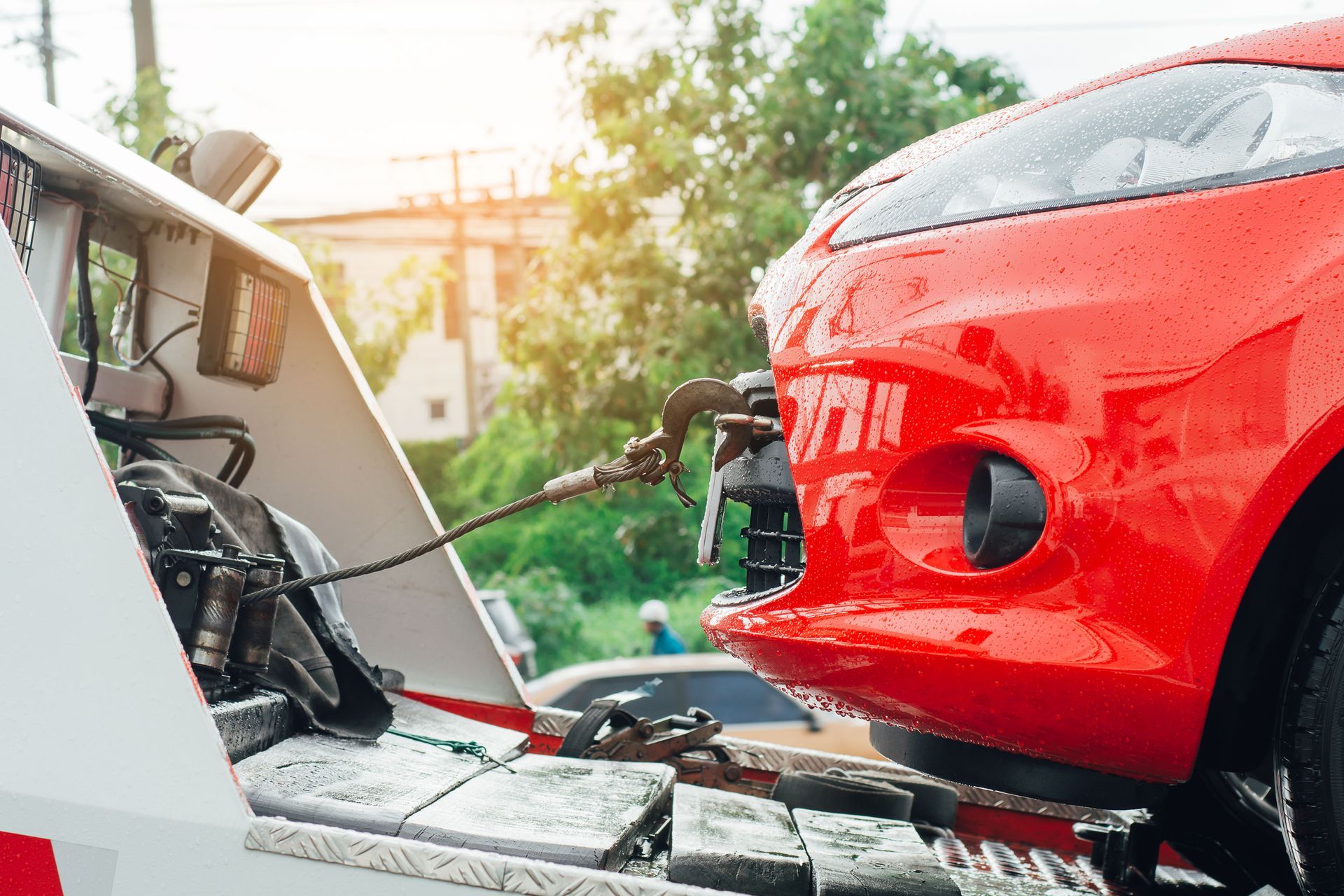
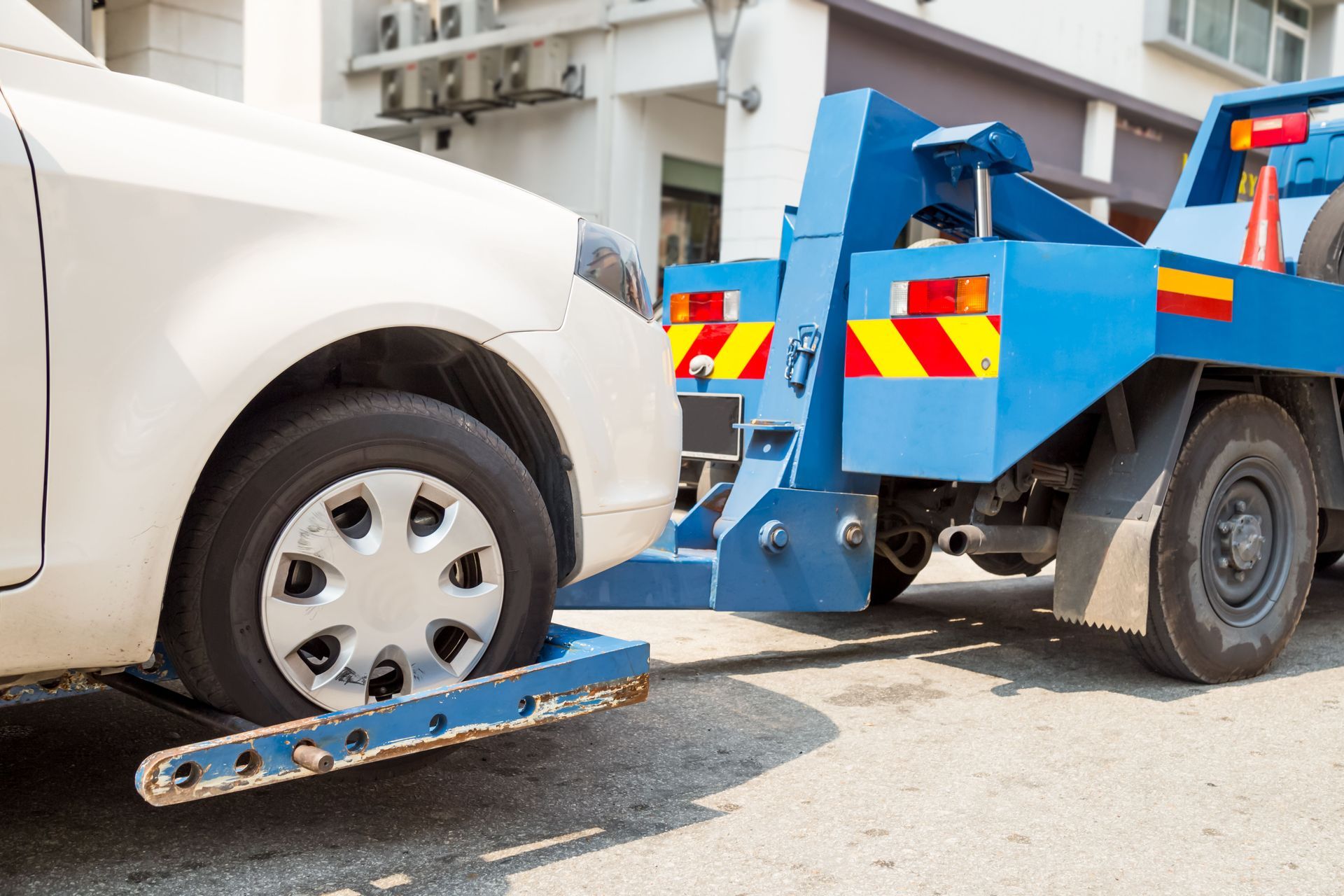
After the assessment, the vehicle is secured using the appropriate tools. Chains, straps, lifts, winches, and stabilizers may be used to keep the load balanced and controlled. During transport, route planning matters because large vehicles may need roads with adequate clearance, turning space, and weight capacity.
Delivery and Post-Tow Inspection
At the destination, the towing operator unloads the vehicle carefully and confirms that it is placed in the correct area. Drivers should inspect the vehicle after delivery and compare its condition with the photos taken before the tow. Any concerns should be documented right away.
Paperwork should clearly list the services performed, towing distance, fees, destination, and any additional charges. Transparent documentation protects both the driver and the towing company. It also helps fleet managers, insurance providers, or repair shops understand what happened during the service.
Handling Emergency Towing Situations
Staying calm during an emergency helps drivers make safer decisions. Focus first on personal safety, then on the vehicle. Provide dispatchers and towing professionals with clear information, including location markers, nearby exits, road direction, and visible hazards. Accurate communication can reduce response time and prevent confusion.
Drivers should also understand that certain situations may involve legal or regulatory requirements. Large vehicles may block traffic, carry cargo, or require special recovery procedures. Working with experienced towing services helps ensure the situation is handled properly and safely.
Preventing Future Towing Problems
Regular maintenance can reduce the chances of unexpected breakdowns. Drivers and fleet owners should schedule inspections for brakes, tires, fluids, batteries, lights, suspension, steering, and engine systems. Small issues are often easier and less expensive to correct before they become roadside emergencies.
Emergency kits can also make a major difference. Reflective markers, flashlights, gloves, basic tools, jumper cables, first aid supplies, and phone chargers can help drivers stay safer while waiting for assistance. Building a relationship with a trusted towing company before an emergency occurs can also save valuable time.
Heavy duty towing services play a critical role in keeping roads, businesses, and drivers moving when large vehicles break down or become disabled. By understanding the process, choosing a qualified provider, preparing accurate information, and prioritizing safety, drivers can respond to emergencies with greater confidence. With the right planning and support, even difficult towing situations can be managed efficiently and professionally. Contact our team at Hickory Towing today and learn more about our towing services.




Share On: