
5 Questions to Ask an RV Towing Service Before They Hitch Your Motorhome
When you find yourself stranded on the side of a busy highway with a disabled motorhome, your stress levels naturally run incredibly high. Facing down heavy, high-speed highway traffic while managing a sudden mechanical breakdown in an expensive, complex vehicle can feel utterly overwhelming. Vetting a potential towing provider is absolutely critical because transporting a recreational vehicle is not as simple as pulling a standard passenger car. It involves highly complex logistics, massive weight distributions, unique undercarriage clearances, and highly specialized mechanical handling. Relying on an inadequately equipped company or an inexperienced operator can quickly result in catastrophic, irreversible damage to your vehicle's frame, suspension, or transmission.
Choosing the right RV towing service is one of the most critical decisions you will make to safeguard your expensive investment. By asking targeted, proactive questions, you can easily evaluate the competence, safety standards, and operational reliability of any provider before they hook up your motorhome. This comprehensive guide outlines six essential questions you must ask to ensure your home-on-wheels is left in truly capable, highly professional hands, protecting your wallet, your physical safety, and your peace of mind as you travel. Taking the initiative to interview your provider during those initial phone calls ensures you avoid common towing traps and establish a partnership built on professional trust and mechanical expertise.
1. What Is Your Specific Experience and Track Record With Towing Heavy RVs?
The very first detail to establish before hiring any RV towing service is to thoroughly scrutinize their physical track record with oversized vehicles. Managing a massive Class A diesel pusher, a Class C motorhome, or a fifth-wheel trailer requires an entirely different skill set than recovering a standard truck. Ask how many years the company has been active and how frequently they handle heavy-duty motorhomes.
Experienced operators possess an intimate understanding of delicate weight dynamics, unique overhang clearances, and low-clearance highway routing required to move these large vehicles safely. They will know how to disconnect the driveshaft if necessary to prevent transmission damage or how to secure slide-outs and external accessories. You should also ask about their technician training protocols. Reputable firms invest heavily in continuous education and specialized safety certifications for their drivers, ensuring they stay updated on the latest heavy vehicle recovery techniques. Taking the time to ask these questions and choosing an established specialist minimizes the risk of on-road towing errors, ensuring your vehicle is transported safely without frame damage. Vetting their background keeps you from trusting your asset to novices who might mishandle your motorhome's unique requirements.
2. Are Your Operators Fully Certified, Licensed, and Backed by Comprehensive Insurance?
Professionalism in the heavy-duty towing industry is defined by clear credentials, specialized licensing, and protective insurance policies. Ask the provider if their operators hold advanced certifications from recognized industry bodies, such as the Towing and Recovery Association of America (TRAA). Furthermore, you must verify the credentials of the RV towing service before allowing them to touch your vehicle.
In addition to basic business licenses, heavy-duty recovery operators must carry commercial driver's licenses (CDL) with appropriate endorsements to legally operate massive wreckers. You must also verify their insurance coverage details before allowing them to touch your vehicle. Request a physical copy of their insurance certificate to confirm they carry comprehensive liability and on-hook cargo insurance. This specialized insurance ensures that if any accidental damage occurs to your motorhome during the hookup or transit phase, the expensive repair costs are fully covered by their insurance. A transparent, high-quality provider will gladly share these documents immediately, establishing trust and giving you complete peace of mind before the recovery process begins. Do not settle for verbal agreements when it comes to liability; verified, written proof is your ultimate shield.
3. Do You Have the Specialized Equipment and Model Compatibility Required for My Motorhome?
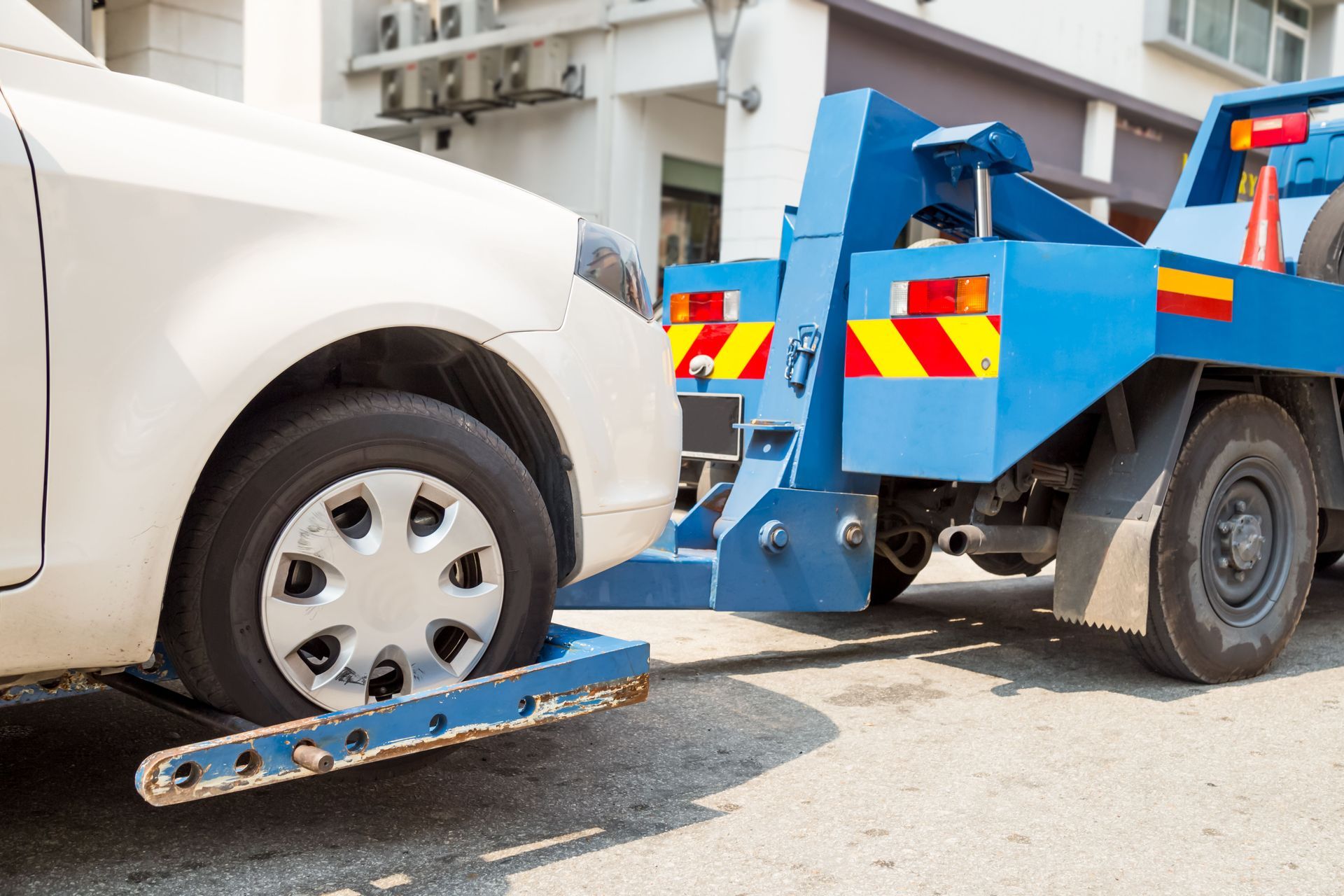
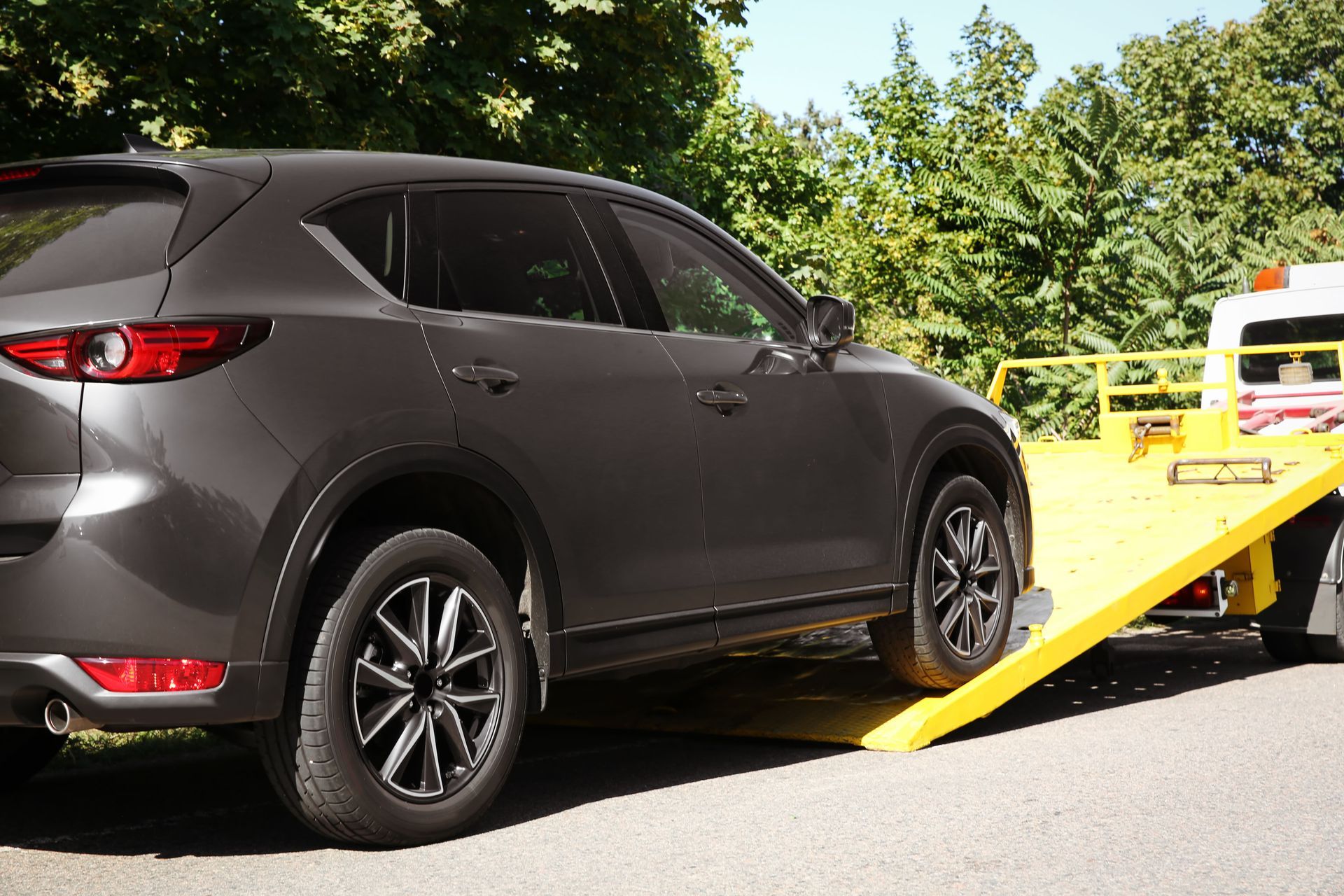
Every motorhome model—from a sprawling diesel coach to a compact travel trailer—has highly distinct towing and hitching requirements. For example, some heavy units require specialized flatbed landoll trailers, while others require heavy-duty wheel-lifts with underreach capabilities to prevent front bumper or fiberglass damage.
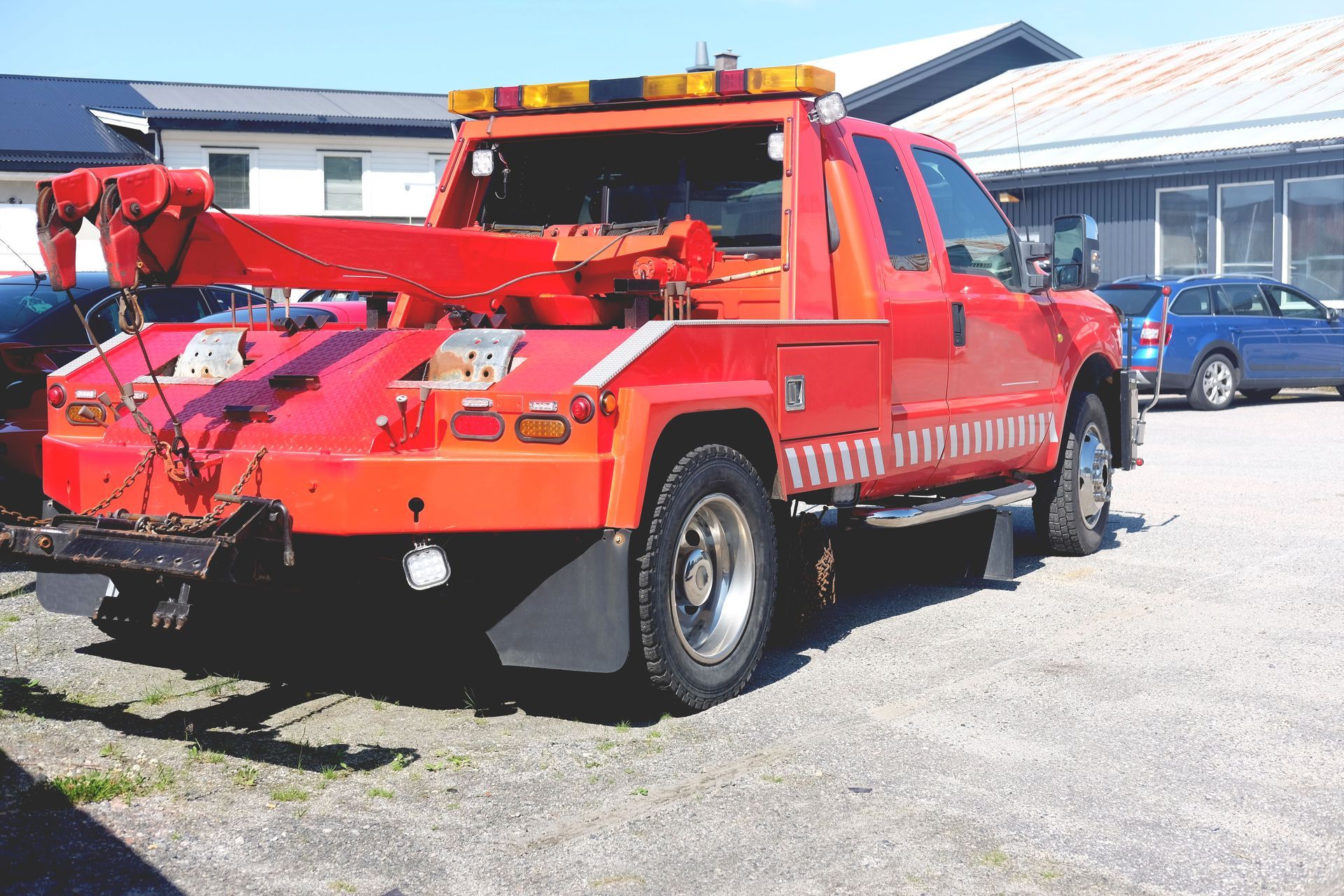
Before scheduling a pickup, you must confirm the RV towing service has the precise machinery, tow bars, and frame attachments compatible with your specific model. Ask if they maintain a modern, diverse fleet of heavy-duty wreckers and how often their winches, straps, and chains undergo professional safety inspections. Utilizing the wrong class of tow truck or incorrect hitching equipment can put immense stress on your RV's structural frame, potentially bending axles or cracking the fiberglass body. Using outdated, worn, or poorly maintained equipment significantly increases the risk of mechanical failure on the highway, putting your prized vehicle and your family in immediate harm's way during a roadside transit. Confirming model compatibility ensures a seamless, damage-free transport that aligns perfectly with your manufacturer's towing guidelines.
4. What Are Your Equipment Maintenance and On-Road Emergency Safety Procedures?
A premium RV towing service will always maintain clear, highly structured protocols for maintaining their fleet and handling unexpected roadside challenges. Ask how frequently they inspect their heavy-duty recovery equipment and whether they keep comprehensive, audited logbooks of these daily safety checks. Routine maintenance prevents catastrophic equipment failure, such as snapped cables or hydraulic leaks, while your vehicle is in transit.
Furthermore, you should inquire about their emergency response strategies. If the tow truck itself experiences a mechanical failure, engine trouble, or a flat tire while hauling your motorhome, the company must have a seamless, pre-planned contingency plan to ensure your vehicle is not left vulnerable on the shoulder of a high-speed highway. A prepared, safety-first company always prioritizes defensive parking, road flares, high-visibility reflective signs, and active traffic management. This high level of preparedness proves they are ready to navigate any unexpected scenarios with absolute professionalism, ensuring both you and your vehicle are protected under any circumstance. Keeping safety protocols at the forefront of the conversation guarantees that your roadside recovery is managed with the utmost discipline and care.
4. What Are Your Equipment Maintenance and On-Road Emergency Safety Procedures?
Roadside emergencies rarely happen at convenient times, which is why around-the-clock availability is a mandatory feature for heavy-duty towing. Ask the dispatcher about their current operational hours, real-time GPS vehicle tracking capabilities, and typical response times for your specific location. You need to know if the RV towing service operates a true 24/7 dispatch center or if they rely on an automated answering service after hours.
While geographic factors, weather, and traffic conditions can cause minor delays, a reliable provider will always give you an honest, transparent estimate. According to Vocal Media, tow trucks can typically arrive within 30 minutes to one hour. Understanding their dispatch protocols and communication channels ensures you are never left stranded in the dark, wondering when help will arrive while parked in a hazardous, high-traffic location on the highway or in a remote campground. A highly responsive company will actively coordinate with you, providing regular text or phone updates so you can plan your next steps and maintain complete peace of mind.
Entrusting your valuable motorhome to a towing company is a major decision that requires thorough, careful vetting. By asking these six critical questions, you can easily avoid amateur operators, protect your vehicle from structural frame damage, and ensure a smooth, completely stress-free recovery process from start to finish. Taking a proactive approach ensures your journey back onto the asphalt is handled safely and professionally.
When you find yourself in need of rapid, reliable, and professional roadside assistance, turn to Hickory Towing as your premier RV towing service provider. Our highly trained, certified team operates a state-of-the-art heavy-duty fleet, offering damage-free guarantees, clear upfront pricing, and 24/7 dispatch to get you safely back on your journey. We prioritize your vehicle's mechanical integrity and your family's personal safety above all else. Save our emergency number in your contacts today, download our mobile app, and drive with complete, worry-free confidence knowing we are always ready to help!



Share On: