
Don’t Risk the Load: When Heavy Duty Towing Is the Right Call
In the world of transportation and logistics, knowing when to call for specialized large-scale recovery services is crucial. This article aims to elucidate the scenarios where opting for specialized vehicle transport is not just advisable but necessary to ensure safety and efficiency. This framework is an integral component of the transport industry, providing solutions for scenarios where regular vehicle recovery options fall short. We will explore the fundamental aspects of managing large-scale vehicles and illustrate the importance of making informed logistical decisions. By understanding these key elements, stakeholders can navigate the complexities of transporting large vehicles and loads more effectively.
Managing vast logistical networks means preparing for inevitable roadway complications that standard emergency equipment simply cannot resolve. When immense transport vehicles face mechanical issues or accidents, the operational bottleneck created can ripple across regional supply chains, stalling time-sensitive shipments and posing significant safety risks to public corridors. Effectively addressing these large-scale challenges requires an advanced understanding of the precise mechanical and logistical options available to fleet managers today.
Defining the Operational Scope
Large-scale vehicle transport distinctively demands specialized logistics to safely manage commercial trucks, buses, and industrial machinery. This sector addresses extreme weights and dimensions across construction, supply chain, and emergency response infrastructure. Successfully managing these assets prevents widespread logistical delays across major public and private industries. Because standard wrecker services lack the structural capacity to haul multi-ton vehicles, this division relies on specialized heavy duty towing engineering principles and heavily reinforced chassis to execute recoveries without compromising public roadways or nearby traffic flow.
Identifying the Target Vehicles
Commercial assets like semi-trailers, public transit buses, recreational vehicles, and massive earthmovers routinely exceed standard transport capabilities. Emergency vehicles, fire engines, and sanitation fleets also present unique operational configurations that standard road assistance providers cannot accommodate. Every specific vehicle class demands a customized rigging profile to account for distinct weight distributions, pneumatic brake systems, and delicate fiberglass or aluminum body panels. Failing to recognize these distinctions during a recovery operation can result in severe secondary damage to transmission lines, undercarriages, and critical internal mechanical components.
Utilizing Specialized Recovery Machinery
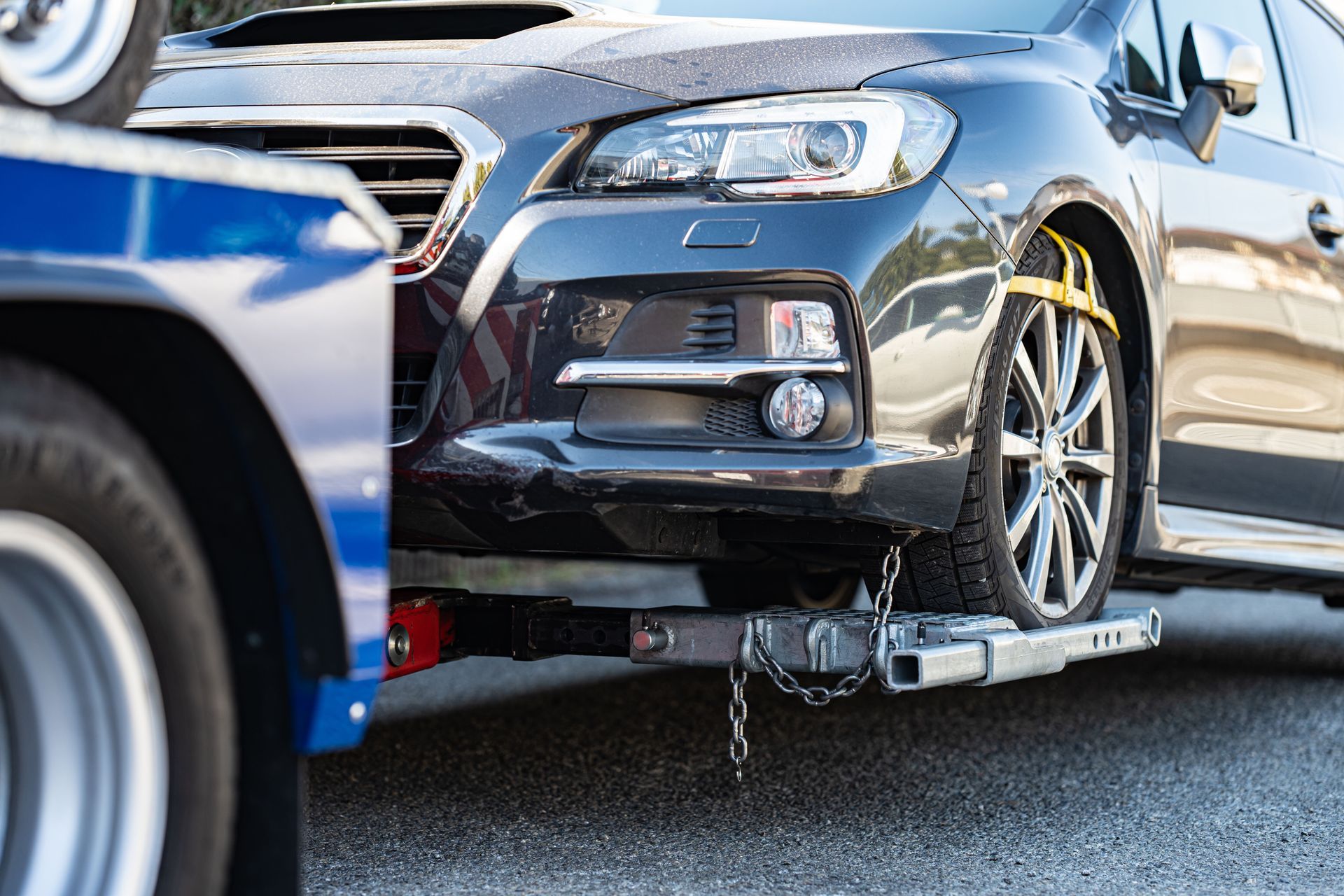
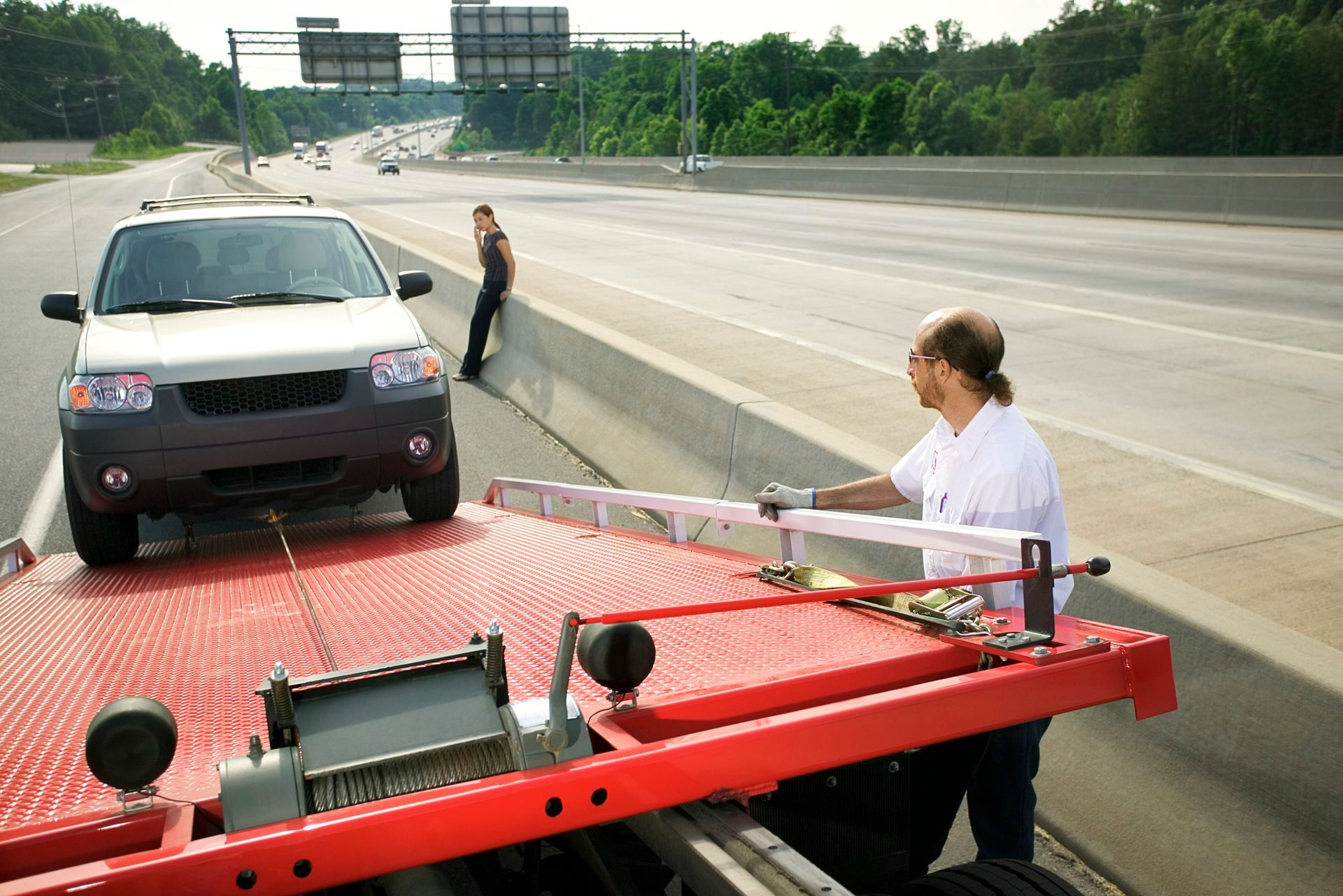
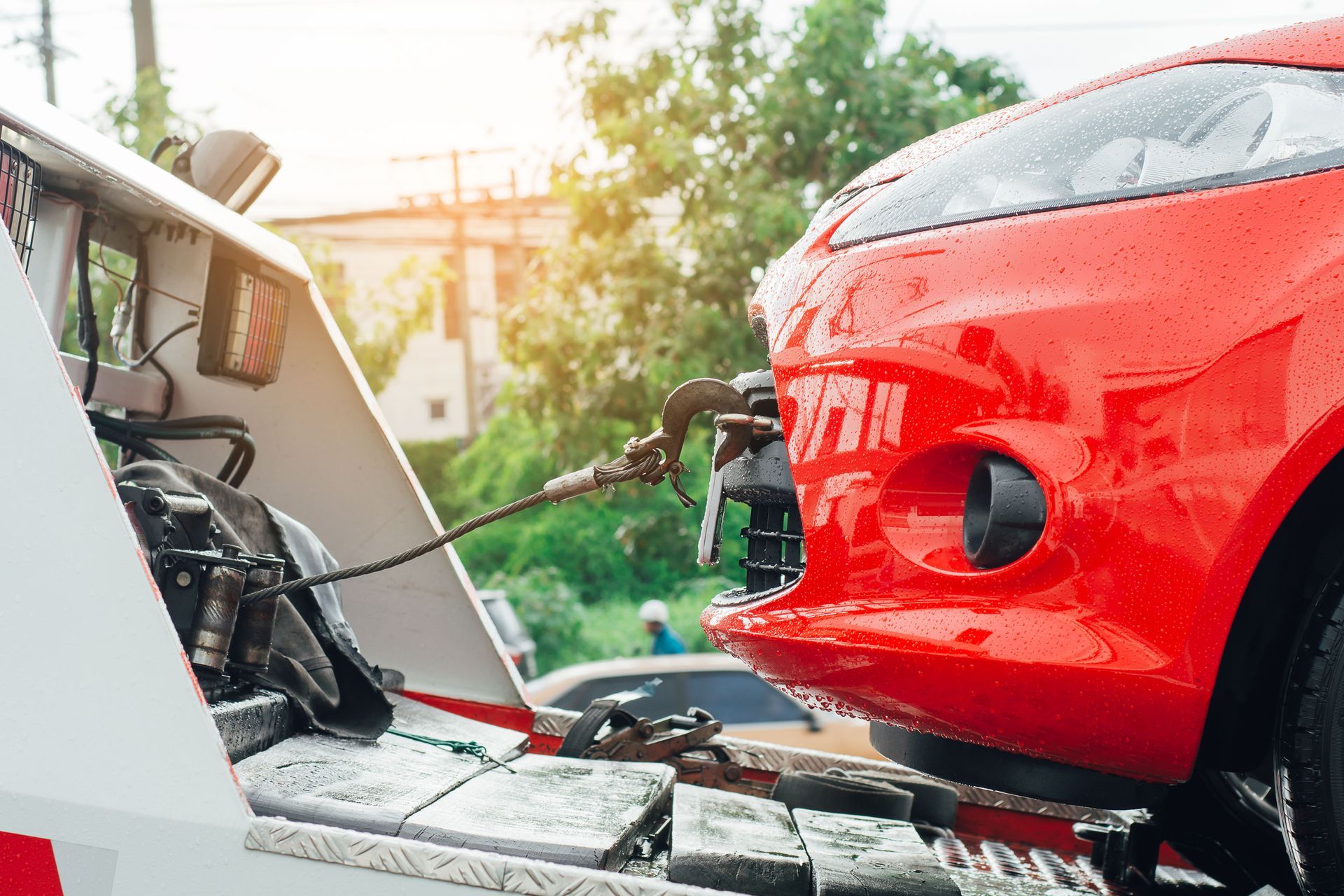
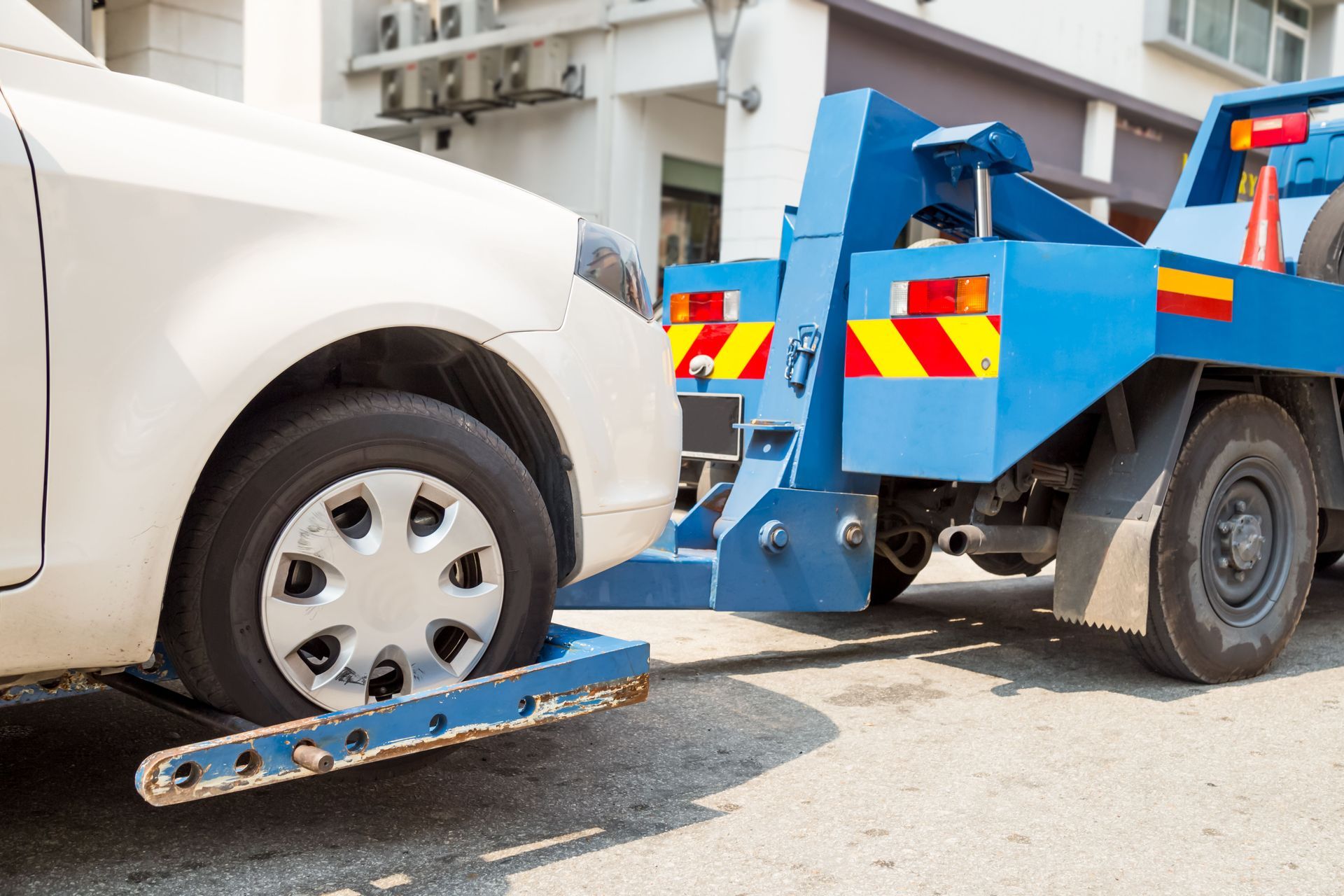
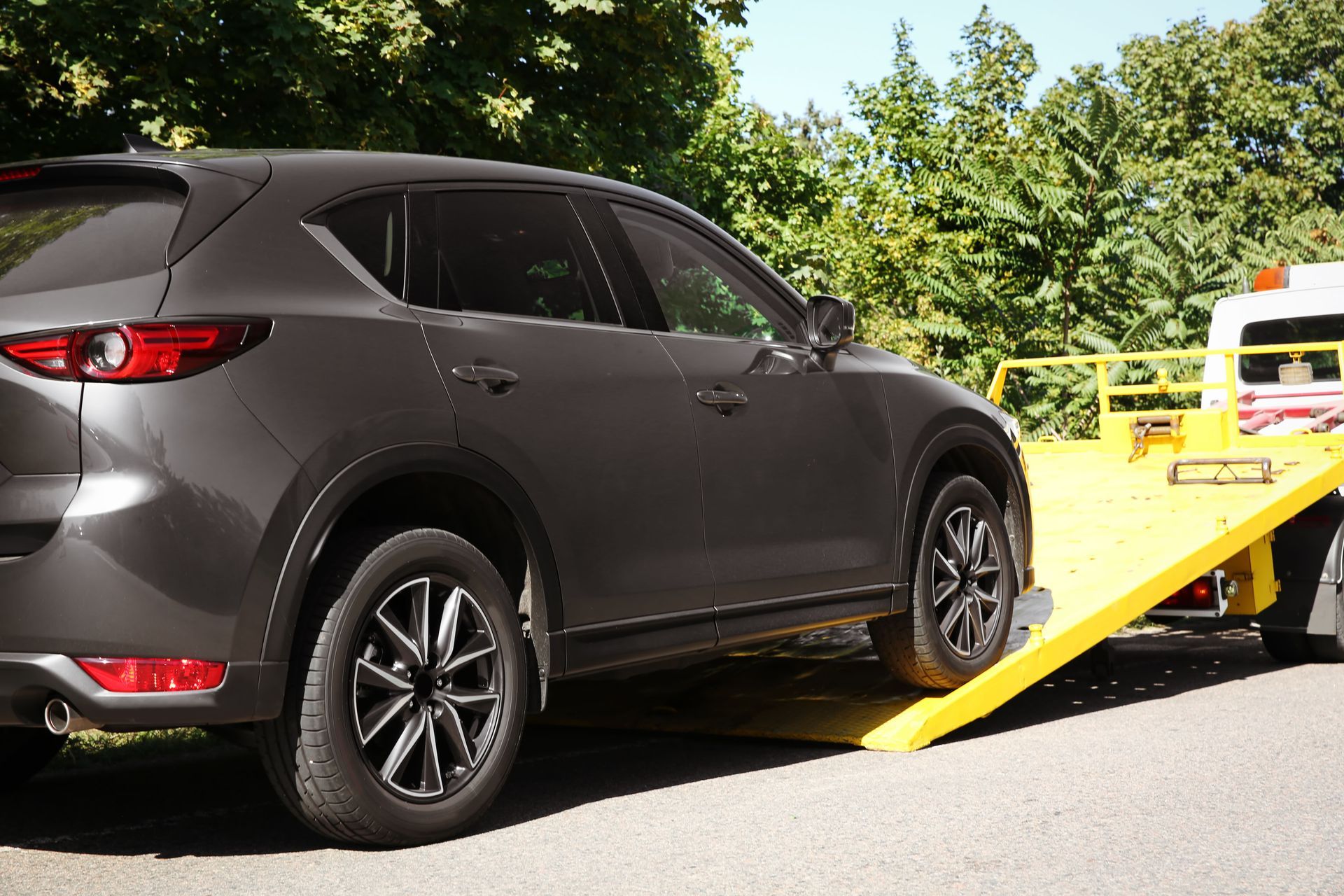
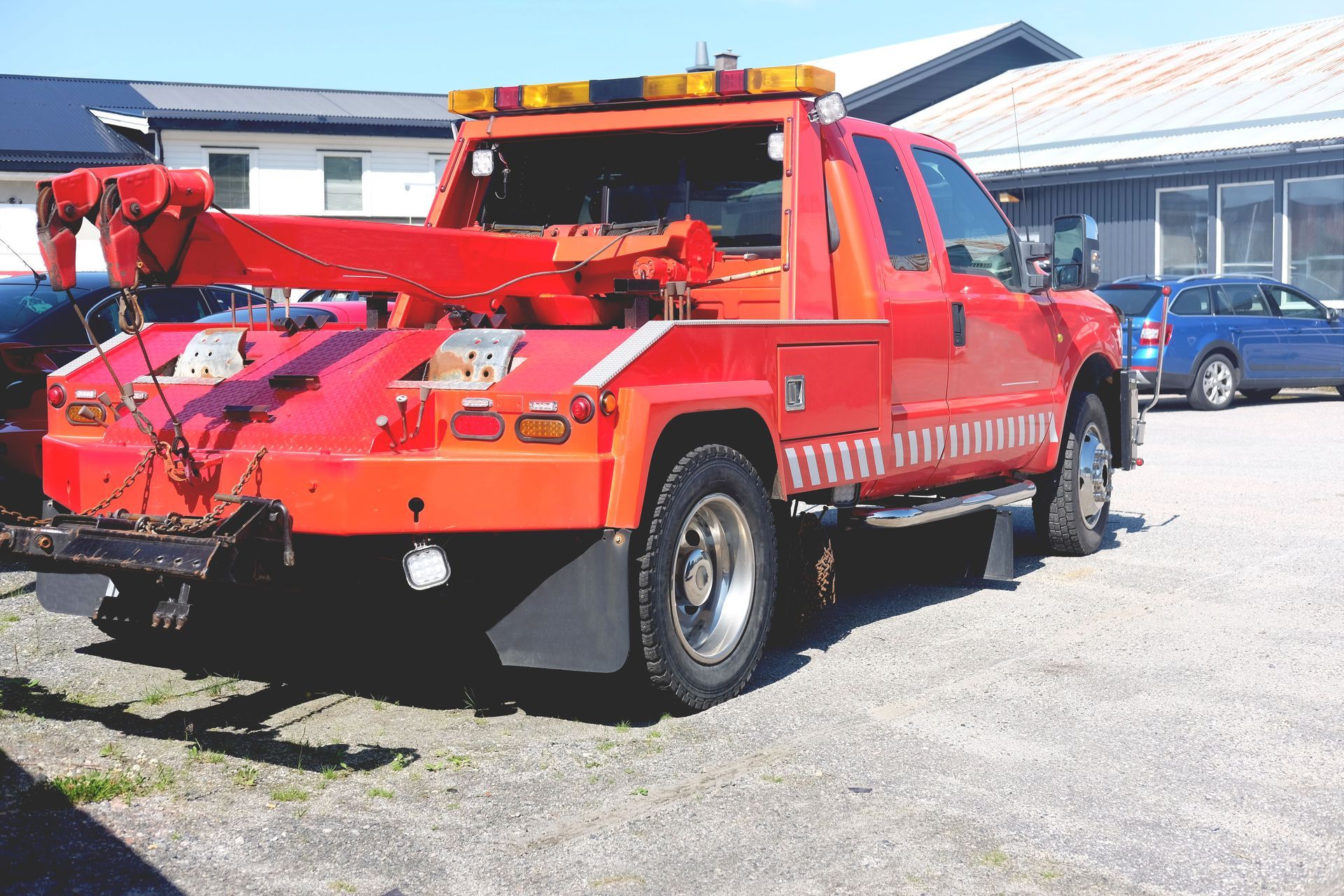
Retrieving these massive assets requires robust machinery equipped with reinforced winches, heavy booms, and under-lift systems. Flatbed trailers accommodate severely damaged drivetrains or compromised axles, ensuring safe transport. Modern hydraulic lift advancements allow professionals to reliably secure immense cargo without causing secondary structural stress. These advanced engineering systems feature outriggers and anchors that stabilize the recovery vehicle on uneven surfaces, ensuring that vertical lifts and complex winching procedures are executed with precision and zero mechanical instability.
Demanding Advanced Technical Expertise
Navigating unpredictable terrain, mechanical failures, and structural instabilities requires profound mechanical fluency and safety alignment. Operators undergo specialized certifications to calculate axle weights and manage complex rigging challenges. Entrusting large assets to certified professionals ensures strict legal compliance and seamless logistical recovery. This makes professional heavy duty towing a highly specialized trade. Every operator must thoroughly understand kinetic energy management, load binding protocols, and state-by-state DOT regulations to prevent catastrophic transport errors.
Expanding Service Regional Accessibility
Strategic geometric placement of recovery networks guarantees that essential logistics lines experience minimal disruption during emergency situations. Many premium dispatch centers offer round-the-clock emergency support to rapidly mobilize industrial assets and minimize commercial downtime. Reliable network access across remote transit corridors remains a cornerstone of corporate infrastructure continuity. By maintaining widespread regional coverage and utilizing sophisticated GPS dispatching, providers ensure that broken-down fleets can secure swift intervention regardless of how far they are from major urban manufacturing hubs.
Optimizing Emergency Response Windows
When a logistical bottleneck threatens to paralyze regional supply chains, response velocity becomes the primary metric of operational success. Minimizing the time an asset remains immobilized on a vulnerable highway shoulder directly reduces the risk of secondary traffic collisions and compounding transit delays. According to Vocal Media, 30 minutes to one hour is the typical wait time for a tow truck, providing fleet managers with a predictable window to execute emergency contingency plans. Securing a recovery partner capable of consistently meeting this benchmark ensures that mechanical failures are met with immediate, decisive intervention before they escalate into costly commercial crises.
Clearing Major Roadway Accidents
Collisions involving transit buses or freight trucks necessitate rapid, highly organized site clearance to protect public safety and restore normal traffic flow. Specialized recovery teams meticulously upright overturned frames and manage structural debris without causing secondary infrastructure damage. Timely intervention ensures regulatory compliance and preserves forensic evidence for accident investigators. Standard equipment fails in these environments, requiring specialized heavy duty towing configurations. These high-pressure operations require absolute precision, as clearing a major highway corridor directly impacts regional commerce and reduces the likelihood of secondary multi-vehicle pileups.
Transporting Massive Oversized Loads
Moving prefabricated infrastructure, wind turbine components, and heavy industrial machinery involves comprehensive route planning and permitting. These movements demand specialized trailers and rigging tools capable of managing non-standard dimensions safely across civilian corridors. Strategic logistics coordination prevents structural damage to utility lines, bridges, and public roads during transit. Specialized heavy duty towing provides the stable traction and tracking necessary for these exceptional shipments. Escort vehicles, detailed route surveys, and bridge weight calculations are seamlessly integrated into the operation to prevent any potential safety infractions.
Relocating Heavy Construction Equipment
Moving excavators, bulldozers, and industrial cranes between active jobsites requires seamless coordination to maximize project efficiency. Construction enterprises depend on prompt transport solutions to keep project timelines on schedule and reduce costly machine idleness. Proper securing mechanisms protect the structural and mechanical integrity of expensive industrial assets during transit. Deploying heavy duty towing assets streamlines these jobsite transitions safely. This proactive management allows project managers to deploy machinery precisely when needed, optimizing labor workflows and keeping multi-million dollar infrastructure projects fully operational.
Executing Complex Long-Distance Transports
Hauling massive machinery across extensive state lines introduces unpredictable weather patterns, variable grade elevations, and complex legal boundaries. Long-haul transport requires exceptional operational resilience, rigorous vehicle inspections, and specialized tracking systems. Experienced coordinators mitigate long-distance transit risks through adaptive routing and robust equipment management. Relying on professional heavy duty towing guarantees cross-country asset safety. By systematically planning rest stops, inspecting securement chains, and monitoring real-time weather changes, transport teams deliver industrial assets securely to their final destinations.
Preventing Severe Vehicular Damage
Employing inadequate or underpowered transit solutions risks twisting vehicle frames, ruining drivetrains, and multiplying initial repair expenses. Industrial vehicle dynamics require exact weight distribution models that conventional light-duty alternatives simply cannot supply. When a company chooses a substandard recovery method, the financial consequences extend far beyond simple mechanical fixes, often leading to total asset write-offs and long-term litigation. Protecting these massive investments demands an uncompromising commitment to safety, utilizing only the most robust recovery systems available in the transportation industry.
Partnering for Long-Term Logistical Success
Establishing a reliable partnership with an experienced commercial recovery provider is standard practice for modern fleet managers and transportation coordinators. Rather than waiting for a roadside crisis to occur, proactive organizations integrate these specialized services directly into their risk management and emergency response protocols. Having a vetted, highly equipped service provider on standby minimizes administrative delays when an asset goes down, ensuring that certified recovery vehicles are dispatched within minutes. This level of logistical preparedness reinforces corporate reliability across the entire global supply chain.
Selecting the correct logistical support minimizes operational disruptions and safeguards multi-million dollar corporate assets. Ensuring road safety and preventing secondary vehicular damage requires an alignment of advanced machinery and seasoned operational professionals. For reliable, prompt, and professional large-scale recovery assistance, contact Hickory Towing.




Share On: