
8 Emergency Towing Tips to Save You Time
In an emergency roadside situation, every second counts and clear thinking matters. Knowing what to do can save you time and prevent further complications, especially when towing becomes the safest way to get a disabled vehicle out of harm’s way. This guide expands on the core ideas you shared by adding structure, context and practical details so you can stay calm and confident when things go wrong. With the right preparation and awareness, even a stressful breakdown can be managed with far less risk.
1. Understanding the Basics
Every driver should have a working knowledge of how vehicle recovery works. While many people think of it as simply pulling one car behind another, towing actually involves weight limits, connection points and stability considerations that must be respected to avoid damage or injury. Your owner’s manual explains what your vehicle can safely handle and which attachment points are designed to support a load. Reviewing this information before an emergency happens allows you to act with confidence instead of guessing under pressure.
Equally important is understanding the role of proper gear. Straps, chains, hitches and safety markers are not interchangeable items. Each is built for a specific purpose and load range, and using the wrong component can cause equipment failure at the worst possible moment. Taking time to learn how each piece works is a small investment that pays off when the road throws you a surprise.
2. Preparing for Emergencies
Preparation is what separates a manageable roadside problem from a dangerous one. Keeping emergency contacts stored in your phone and written in your glove box means you do not waste time searching for help. In situations that require towing, a fast call to a reliable provider can prevent traffic hazards and protect your vehicle from further harm.
Your emergency kit should also be ready for more than a flat tire. Reflective vests, flares, a flashlight and basic tools allow you to secure the area and remain visible while you wait for assistance. These items are inexpensive but extremely valuable when visibility is poor or traffic is heavy. A well-stocked kit gives you options instead of forcing you to rely entirely on luck.
It also helps to practice where these items are stored so you are not searching in the dark or rain. Familiarity reduces panic and keeps you focused on what matters most: staying safe until the situation is resolved.
3. Executing a Tow
When you need to move a disabled vehicle, careful setup is essential. Alignment, secure attachment and clear signaling between drivers all contribute to a smooth process. During towing, sudden movements are the enemy of stability, so slow acceleration and gentle braking are critical. This reduces strain on both vehicles and keeps the connection from jerking or loosening.
Turning and stopping also require more room than normal driving. The added length and weight change how the vehicle responds, which means you must think several seconds ahead. Watching mirrors, leaving extra following distance and anticipating traffic flow help you avoid abrupt maneuvers that could cause loss of control.
Communicating with the other driver through agreed-upon hand signals or phone calls further improves coordination. Clear communication minimizes confusion and helps both drivers react together.
4. Utilizing Professional Services
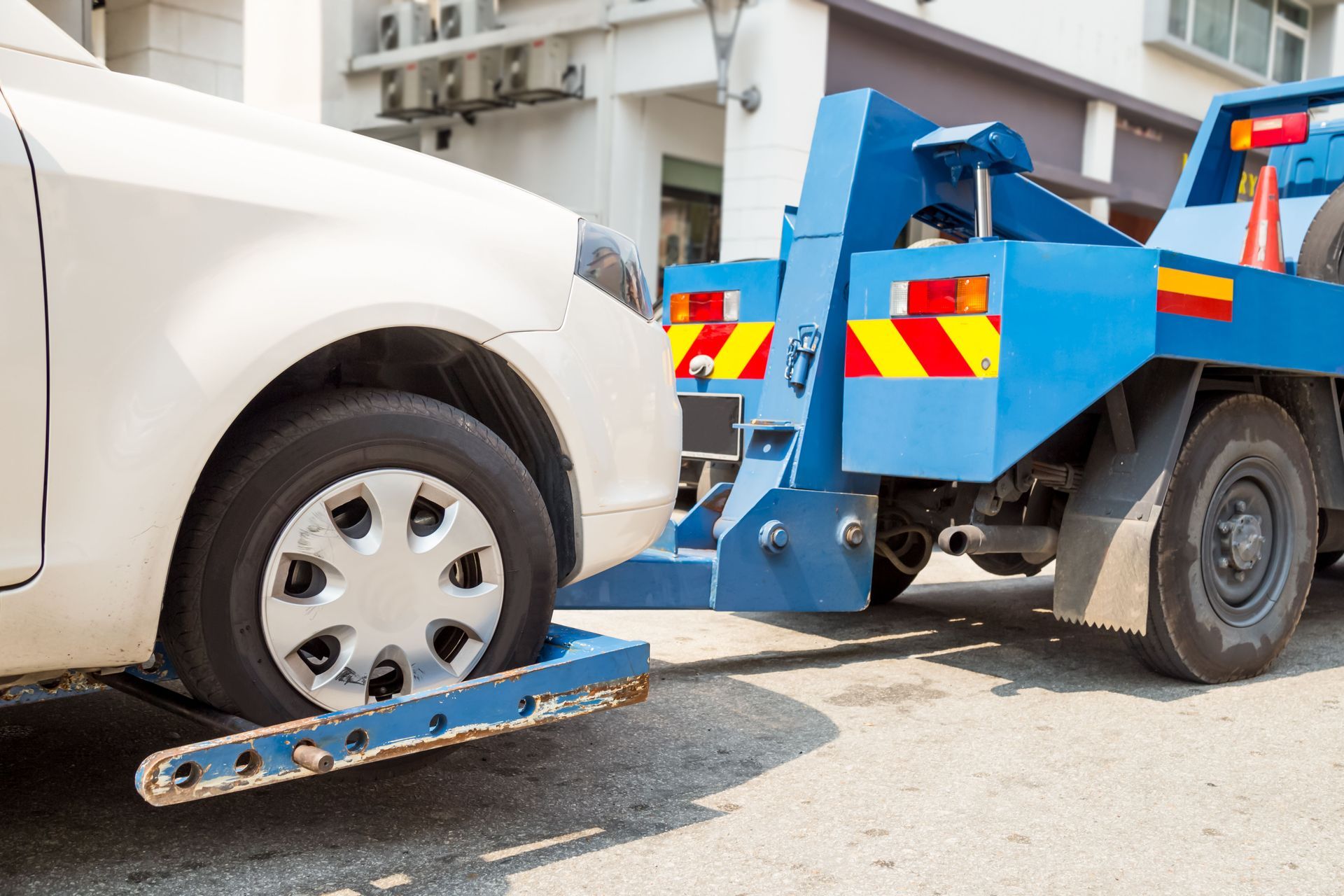
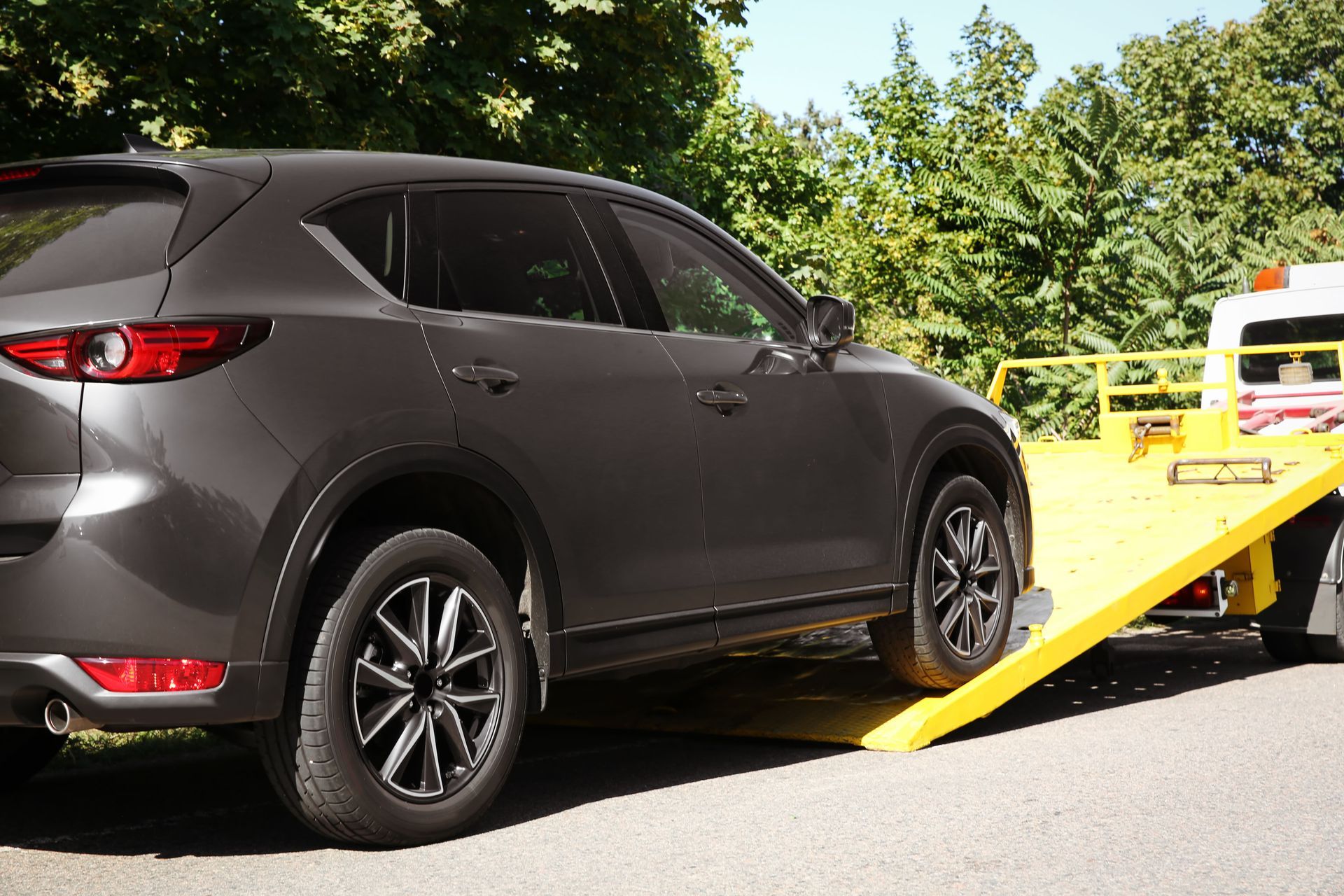
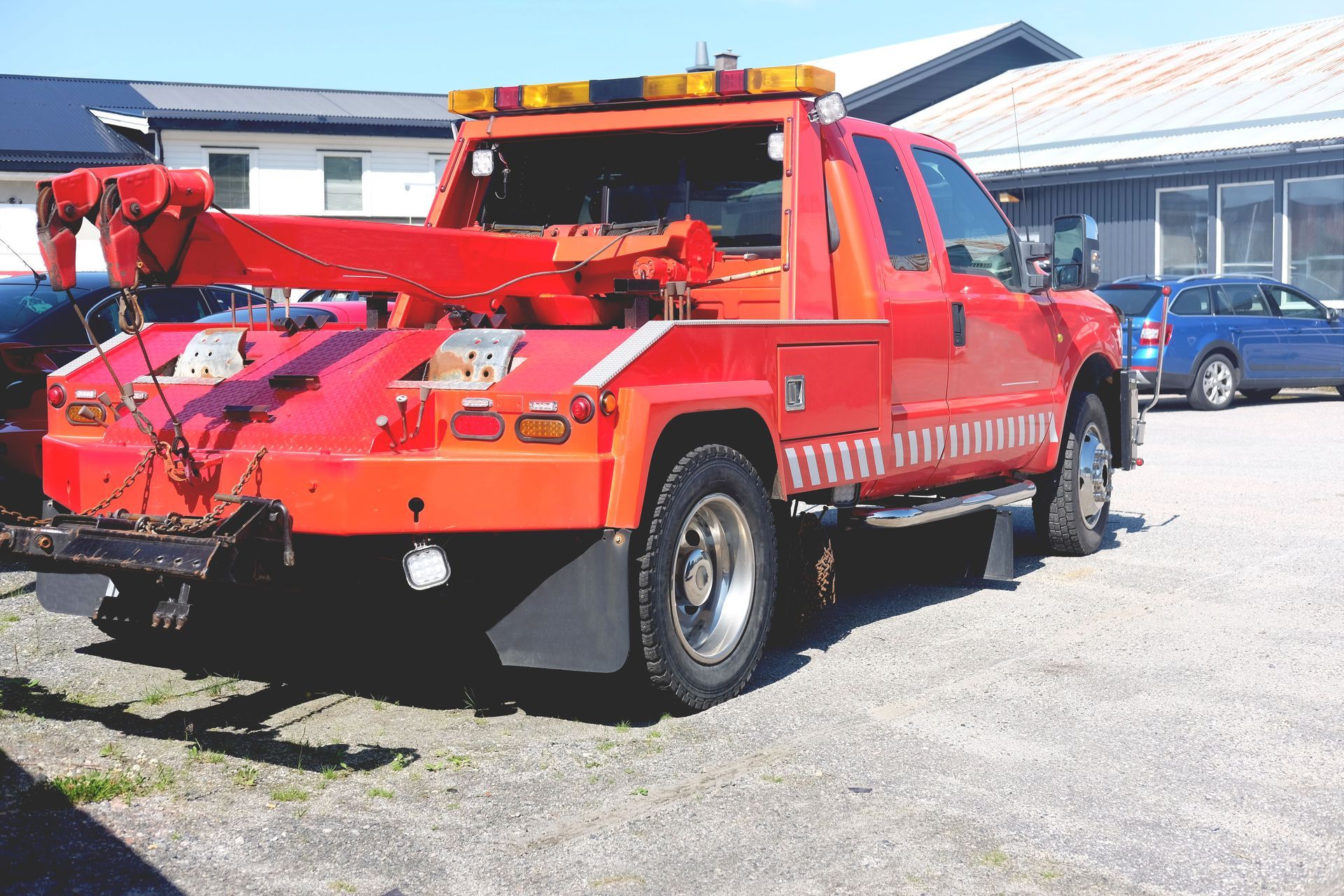
There are times when calling a professional is the smartest choice. Complex breakdowns, damaged wheels or unsafe roadside conditions all justify expert help. Professional towing operators are trained to handle these situations with specialized equipment that protects your car and the people around it.
Choosing a company in advance is also wise. Reading reviews and saving contact information allows you to avoid hasty decisions when stress is high. When you already know who to call, you can focus on safety and logistics instead of scrambling to find a reputable provider.
Understanding potential costs also helps you plan. According to Forbes, with a mid-range cost of $3 per mile for long-distance towing, the total would be $3,300, excluding additional fees like loading charges. Clear communication about pricing, arrival time and vehicle condition builds trust and prevents misunderstandings once help arrives.
5. Preventing Future Breakdowns
Regular maintenance is the most effective way to reduce the chance of being stranded. Oil changes, brake inspections and tire checks catch problems before they become serious. By staying ahead of wear and tear, you also reduce the likelihood that you will ever need towing in the first place.
Proactive inspections are just as important. Looking over belts, hoses and electrical connections helps you spot early warning signs. Keeping a simple maintenance log makes it easier to track what has been serviced and what may need attention soon, turning guesswork into a clear plan.
These habits not only improve reliability but also save money by avoiding major repairs caused by neglected issues.
6. Learning from Experience
Every roadside incident offers lessons if you take the time to review what happened. Documenting the cause, the response and the outcome helps you refine your emergency plan. If a situation required roadside assistance, ask yourself what might have prevented it and how you could respond even more efficiently next time.
Sharing these experiences with family or colleagues also builds collective awareness. When more people understand how breakdowns occur and how to respond, everyone becomes better prepared. This kind of shared knowledge often prevents small issues from becoming big problems.
Over time, these insights help you develop a personalized approach to handling road trouble with greater confidence.
7. Staying Ready for the Road Ahead
Preparedness is not a one-time task but an ongoing habit. As vehicles age and driving patterns change, your emergency strategies should evolve as well. Keeping your tools updated, your contacts current and your knowledge fresh means you are always ready for the unexpected.
Technology can help too. Diagnostic apps and onboard monitoring systems now provide early warnings about battery health, engine performance and tire pressure. Using these tools turns raw data into actionable insight, giving you time to fix issues before they leave you stranded.
Combining modern technology with old-fashioned preparedness creates a strong safety net for drivers in any environment.
8. Mental Readiness and Stress Management
Breakdowns and roadside incidents can be emotionally overwhelming, especially when they happen in unfamiliar or high-traffic areas. Maintaining mental clarity is just as important as having the right tools and contacts available. Simple techniques like controlled breathing and focusing on immediate safety steps can prevent panic from clouding judgment. When drivers stay calm, they are more likely to make smart decisions that keep themselves and others safe.
Having a clear plan also reduces anxiety during uncertain moments. Knowing who to call, where to stand and what steps to follow allows you to act with purpose rather than fear. This mental preparedness supports better communication with roadside professionals and other drivers involved. Over time, repeated exposure to preparedness routines builds confidence, making stressful situations easier to manage even when circumstances are unpredictable.
By combining practical readiness with emotional control, you create a more complete safety strategy for every journey. A calm mindset paired with good preparation turns difficult road events into manageable challenges instead of crises.
Roadside emergencies will always be inconvenient, but they do not have to be overwhelming. By combining preparation, clear procedures and smart decision making, you can handle recovery situations with far less stress and risk. The habits you build today determine how smoothly you will respond tomorrow, making readiness your strongest ally on the road. Contact Hickory Towing today and learn more about our roadside emergency services.



Share On: